
Being Adaptable
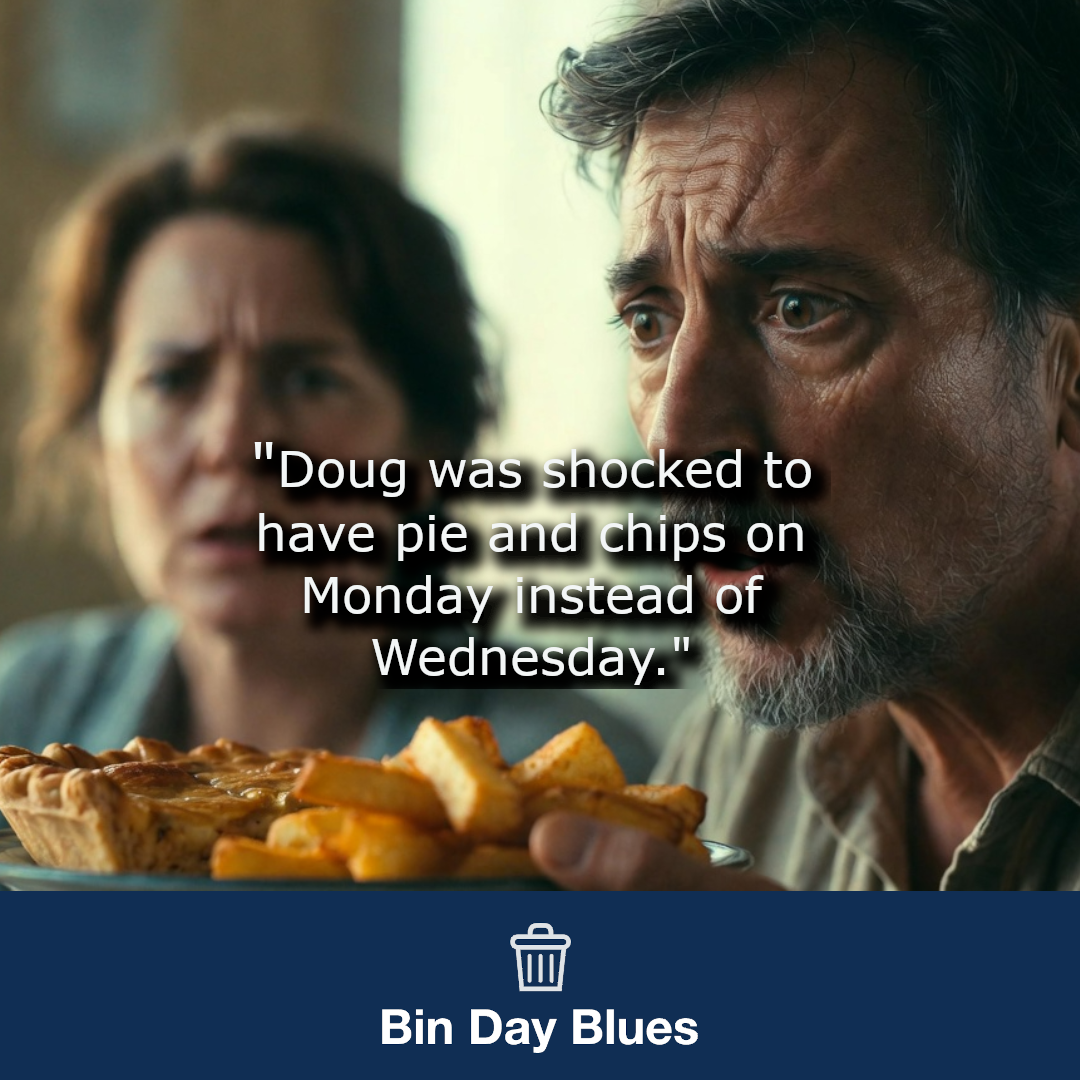
Adaptability as a Modern Survival Skill
To be adaptable is to remain open to change, even when that change is inconvenient, uncomfortable, or entirely unwanted. In a world that rarely stays still, adaptability is less a bonus quality and more a basic survival skill. From workplaces reshaped by technology to personal lives disrupted by unexpected events, the ability to adjust one’s thinking and behaviour is what allows people to move forward rather than remain stuck.
The benefits of adaptability are wide-ranging. Adaptable people tend to cope better with stress, as they are less likely to view change as a threat and more as a challenge. They are often better problem-solvers, able to consider alternatives when the original plan fails. In professional settings, adaptability encourages learning, collaboration, and resilience, making individuals more valuable and less likely to be left behind. On a personal level, it supports growth, as flexibility allows people to learn from mistakes rather than be defined by them.
Why People Resist Change
Despite these benefits, many people struggle to be adaptable. One major reason is fear: fear of failure, fear of losing control, or fear of the unknown. Familiar routines feel safe, even when they are no longer effective. There is also comfort in certainty; change forces people to admit they do not have all the answers, which can be unsettling. Additionally, pride and identity play a role. When people strongly associate themselves with a particular skill, belief, or way of doing things, adapting can feel like admitting defeat.
The Practical Benefits of Flexibility
Being adaptable does not mean having no principles or direction. Rather, it means understanding when to hold firm and when to bend. Like water flowing around an obstacle, adaptability allows progress without unnecessary resistance. In choosing flexibility over stubbornness, people give themselves the best chance not just to cope with change, but to benefit from it.
Accept that change is normal
Many people struggle because they expect life to stay roughly the same. It rarely does. Accepting change as a normal part of living makes it less shocking when it arrives. This does not mean liking change, but recognising that resisting it entirely is unrealistic and usually unhelpful.
Be willing to adjust plans
People often treat plans as promises rather than guides. When circumstances change, sticking rigidly to the original plan can cause unnecessary stress. Being adaptable means adjusting direction when needed instead of forcing something that no longer fits the situation.
Question habits rather than defend them
Habits can be useful, but they can also become excuses for avoiding change. Simply asking whether a habit still works can open the door to better options. This does not require constant change, only honesty about what is effective and what is not.
Separate ego from outcome
People often resist adapting because they feel personally attached to a particular way of doing things. When something stops working, it can feel like a personal failure. Letting go of this connection makes it easier to change course without feeling threatened.
Respond instead of reacting
Sudden changes often trigger immediate emotional reactions. Taking a short pause before responding allows for more sensible decisions. Even a small delay can prevent poor choices and make adjustments easier and more practical.