
It’s Too Easy
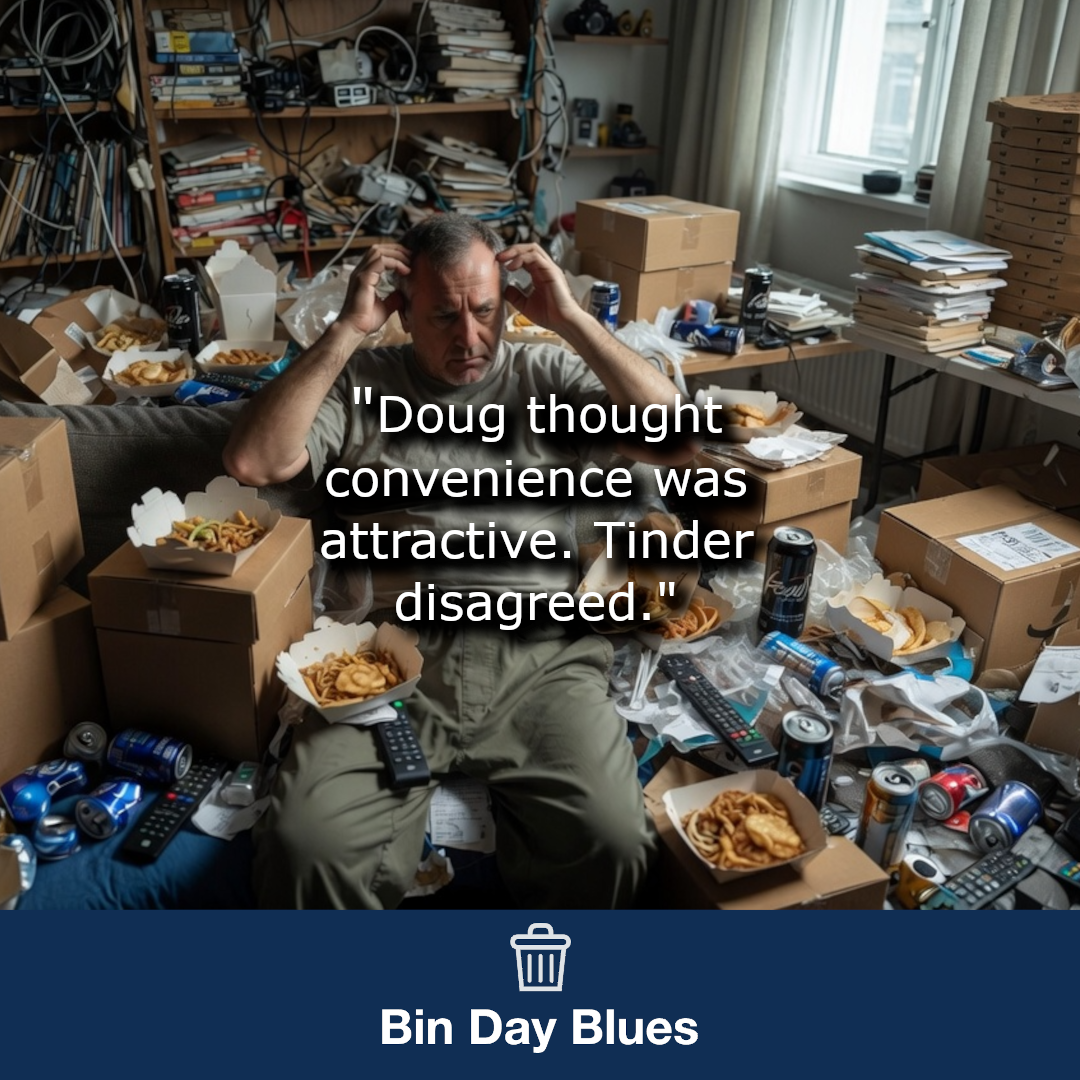
When Easy Starts Making Life Harder
Have you ever stopped to wonder whether making life easier has actually made life better? Thirty years ago, people remembered phone numbers, read maps, fixed things themselves, and occasionally got lost without immediately consulting a glowing rectangle in their pocket. Today, food arrives at the door, cars tell us where to go, and some people become mildly distressed when a website takes more than three seconds to load.
The Hidden Cost of Constant Convenience
Convenience has undoubtedly improved life in many ways. We have access to more information, better healthcare, easier communication, and countless tools that save time. Most people would not willingly swap modern life for standing in a bank queue on a rainy Tuesday while carrying a paper map and a cassette player. Progress has real benefits.
The problem is that convenience removes challenge, and challenge is often where growth happens. When everything becomes easier, people can become less patient, less resilient, and less capable. Once normal skills begin to disappear. Many people now struggle to focus, tolerate boredom, or solve simple problems without reaching for a phone. We have become incredibly efficient at avoiding inconvenience, which is unfortunate because inconvenience is often where learning lives.
Why Challenge Still Matters
That does not mean life was better thirty years ago. In many ways, it was harder, slower, and less comfortable. The goal is not to reject convenience but to avoid becoming dependent on it. Convenience is a brilliant servant, but a terrible master. Used wisely, it frees up time and energy. Used poorly, it can leave people comfortable, distracted, and oddly unsatisfied.
Do Difficult Things Occasionally
Not every challenge needs to be removed from your life. Occasionally, choose the harder option. Walk instead of driving, learn a skill rather than paying someone else immediately, or solve a problem before reaching for technology. Small challenges build confidence and competence. People often feel more satisfied after doing something difficult than after doing something easy.
Learn Something Practical
Many useful skills have quietly disappeared because technology handles them for us. Learning how to cook properly, repair basic household problems, manage finances, or navigate without technology improves confidence and independence. Practical competence creates a sense of capability that endless convenience cannot provide.
Be Less Afraid of Boredom
Modern convenience has almost eliminated waiting. Every spare moment can be filled with videos, messages, or updates. The downside is that people become uncomfortable with quiet moments. Allow yourself occasional boredom. It often creates space for reflection, creativity, and ideas that would otherwise be drowned out by constant stimulation.
Use Technology Intentionally
Technology is most useful when it serves a purpose rather than becoming a reflex. Before picking up your phone, ask what you are actually trying to do. Too often, people unlock a device for one reason and emerge forty minutes later having watched a man build a canoe out of recycled traffic cones and forgotten the original task completely.
Appreciate Effort More
Many of life's most rewarding experiences involve effort. Relationships, fitness, learning, work, and personal growth all require time and persistence. Convenience can help with these things, but it cannot replace them. The satisfaction that comes from achieving something difficult is often worth far more than the comfort of avoiding the challenge altogether.