
Real People
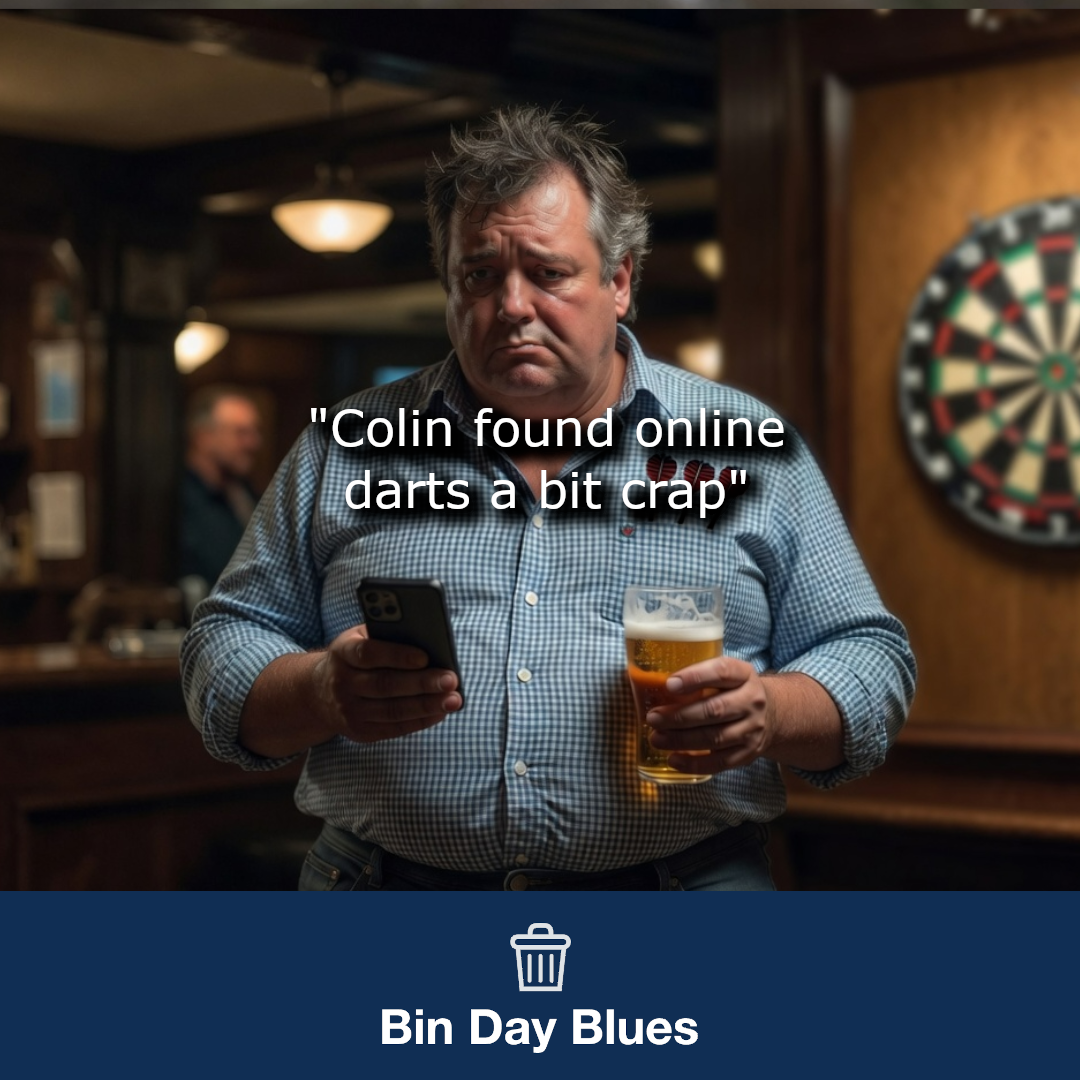
Who Are You Actually Wasting Your Time With
Have you noticed how easy it has become to feel socially busy while barely seeing anyone in real life? A person can now spend three hours messaging strangers online, reacting to photos of someone’s air fryer chicken, and debating lawn care with a man called BigGary1964, all without speaking to an actual human face-to-face. It is a strange development, especially considering humans once formed communities by physically gathering together rather than arguing in comment sections at midnight.
Real community used to happen naturally through workplaces, neighbours, clubs, pubs, families, and shared routines. It was not always glamorous. Sometimes it involved uncomfortable chairs, burnt sausages, and listening to somebody explain parking regulations in alarming detail. Still, those connections mattered because they involved real people who would actually notice if you disappeared for a while.
Why Being Online Often Feels Empty
The problem with too much online interaction is that it can create the illusion of friendship without much substance underneath. Online acquaintances can feel familiar because you exchange messages regularly, but familiarity is not the same as support. A person who sends laughing emojis every evening may still be completely absent when life becomes difficult. Meanwhile, genuine relationships can slowly weaken because maintaining them requires actual effort and attention.
Proper perspective
People need community because it keeps them grounded. Proper connection gives perspective, support, humour, accountability, and occasionally someone willing to help carry a washing machine upstairs without asking too many questions. Without real community, people often become isolated while technically being “connected” all day. It is a very modern sort of loneliness, sitting in a room full of notifications while feeling oddly detached from everyone.
See People in Real Life
Make an effort to spend time with real people rather than relying solely on messages and social media. Meet for a beer, visit family, or go somewhere regularly where people know your name. Real conversations are usually more useful, more honest, and far less exhausting than spending two hours replying to somebody with a default username and no profile image.
Stop Confusing Online Interaction with Friendship
Chatting online can be entertaining, but it is not the same as having dependable people around you. Think about who would genuinely help if you needed support, advice, or someone to turn to when things go wrong. Those are the relationships worth investing in. A reliable mate is more useful than fifty online acquaintances sending thumbs-up emojis.
Help Out Nearby
Do something practical where you live. Help a neighbour, support a local group, or simply make yourself useful occasionally. Community is built through people doing ordinary things for each other, not by posting lengthy opinions online. Small actions tend to create stronger connections than endless digital conversations about topics nobody will care about next Tuesday.
Spend Less Time Scrolling
A lot of online activity is just a way to fill time. You look up an article about lawn mowers and forty minutes later, you are watching a man in Arizona cook a hot dog with a hairdryer. Cutting back on scrolling frees up time and attention for things that actually improve your mood or make life feel more connected.
Stick With Reliable People
Pay attention to who consistently makes an effort, keeps their word, and behaves properly over time. Those people matter. Strong relationships are usually built quietly through reliability, not constant messaging or dramatic declarations online. One solid friend who turns up when needed is worth far more than hundreds of shallow online interactions.