
Bruce Lee
“Knowing is not enough, we must apply. Willing is not enough, we must do.” – Bruce Lee
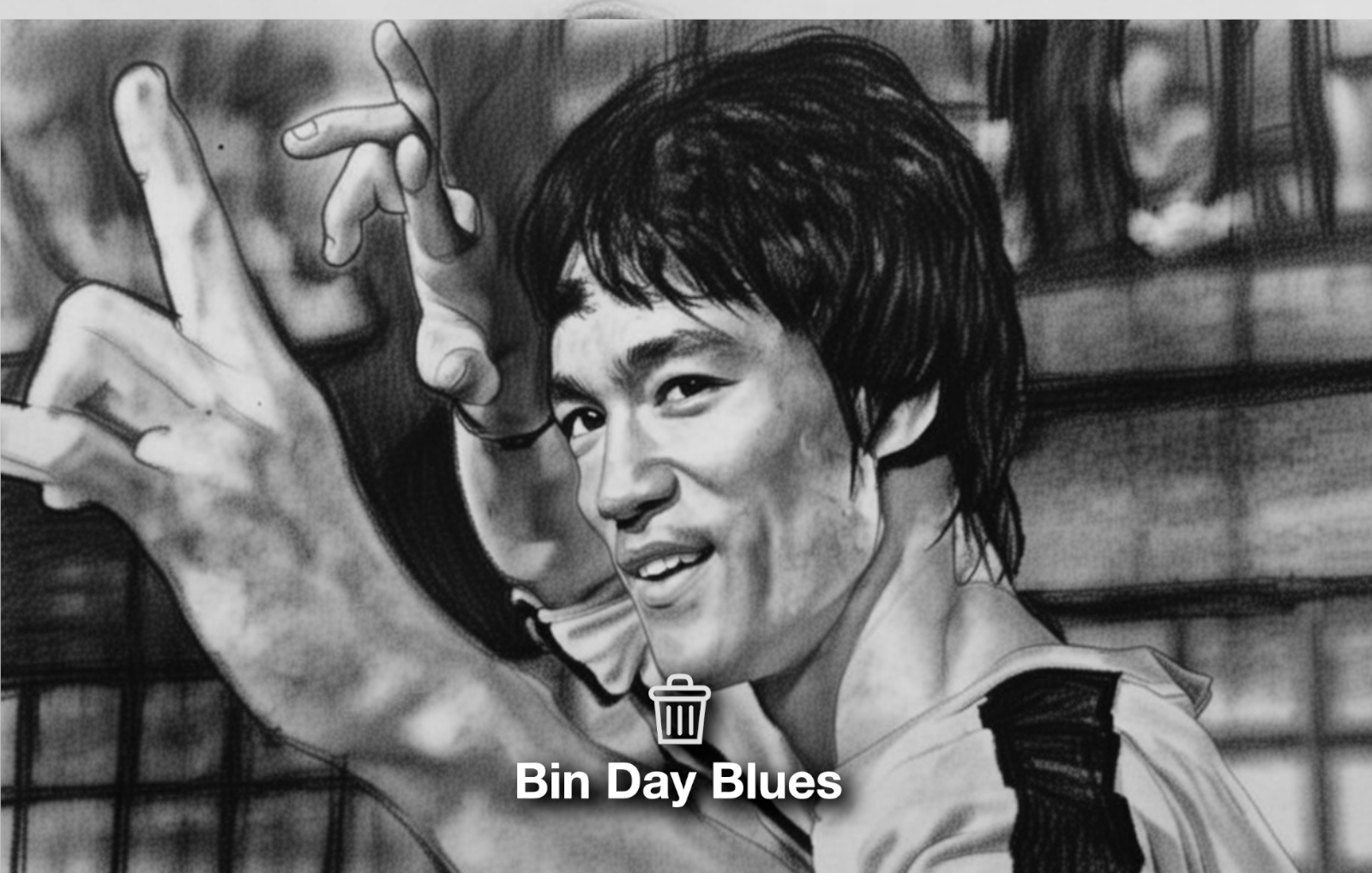
Bruce Lee
Bruce Lee (1940–1973) was a martial artist, actor, filmmaker, and philosopher whose influence reshaped global perceptions of martial arts and Asian representation in popular culture. Born in San Francisco and raised in Hong Kong, Lee was introduced to performance through film acting at an early age, while also training in traditional Chinese martial arts. His early exposure to both Eastern and Western cultures shaped his uniquely integrative worldview.
After returning to the United States as a teenager, Lee pursued formal education while teaching martial arts. Dissatisfied with rigid traditional systems, he began developing a more fluid, practical approach to combat that prioritised adaptability, efficiency, and personal expression. This philosophy later became known as Jeet Kune Do. Lee’s ideas challenged long-held martial arts traditions and provoked both admiration and controversy.
Lee’s film career transformed him into an international icon. At a time when Asian actors were marginalised or stereotyped, he presented a powerful, intelligent, and disciplined image that captivated audiences worldwide. Films such as The Big Boss and Enter the Dragon introduced martial arts cinema to the global mainstream and influenced generations of filmmakers and athletes.
Beyond physical mastery, Lee was deeply engaged with philosophy, drawing inspiration from Taoism, Zen Buddhism, and Western thinkers. He believed martial arts were ultimately a means of self-knowledge and personal growth. His writings and lectures explored themes of freedom, identity, and self-mastery.
Although his life was cut short at the age of 32, Bruce Lee’s cultural importance endures. He remains a symbol of discipline, authenticity, and the courage to question limitations—both physical and mental.
The Body Of Work
Jeet Kune Do
Jeet Kune Do was Bruce Lee’s personal martial philosophy rather than a fixed system. It emphasised efficiency, directness, and adaptability, encouraging practitioners to absorb what works and discard what does not.
The Big Boss (1971)
This film marked Lee’s breakthrough as a leading man. It showcased his screen presence, physical precision, and moral intensity, helping to establish martial arts cinema as a global genre.
Fist of Fury (1972)
In this film, Lee portrayed themes of national pride and resistance. His performance combined emotional depth with explosive physicality, deepening his impact as both actor and cultural figure.
Way of the Dragon (1972)
Written and directed by Lee, this film displayed his creative control and philosophical humour. The iconic fight with Chuck Norris highlighted his innovative combat style.
Enter the Dragon (1973)
Lee’s most famous film was the first major Hollywood martial arts production. It cemented his international legacy and influenced action cinema for decades.
Big Takeaways
1. Be Adaptable
Lee believed rigidity limits growth. Adapting to change allows strength to remain effective in any situation.
2. Express Yourself Honestly
For Lee, martial arts were self-expression. Authenticity leads to clarity, confidence, and personal power.
3. Question Tradition
He respected tradition but refused blind obedience. Progress begins when old ideas are tested, not worshipped.
4. Train Mind and Body Together
Lee viewed physical training as incomplete without mental discipline. True strength comes from balance.
5. Simplicity Is Powerful
Lee stripped away excess to find what truly worked. Simplicity sharpens focus and effectiveness.