
Alex Ferguson
“Hard work will always overcome natural talent when natural talent does not work hard enough.” – Sir Alex Ferguson
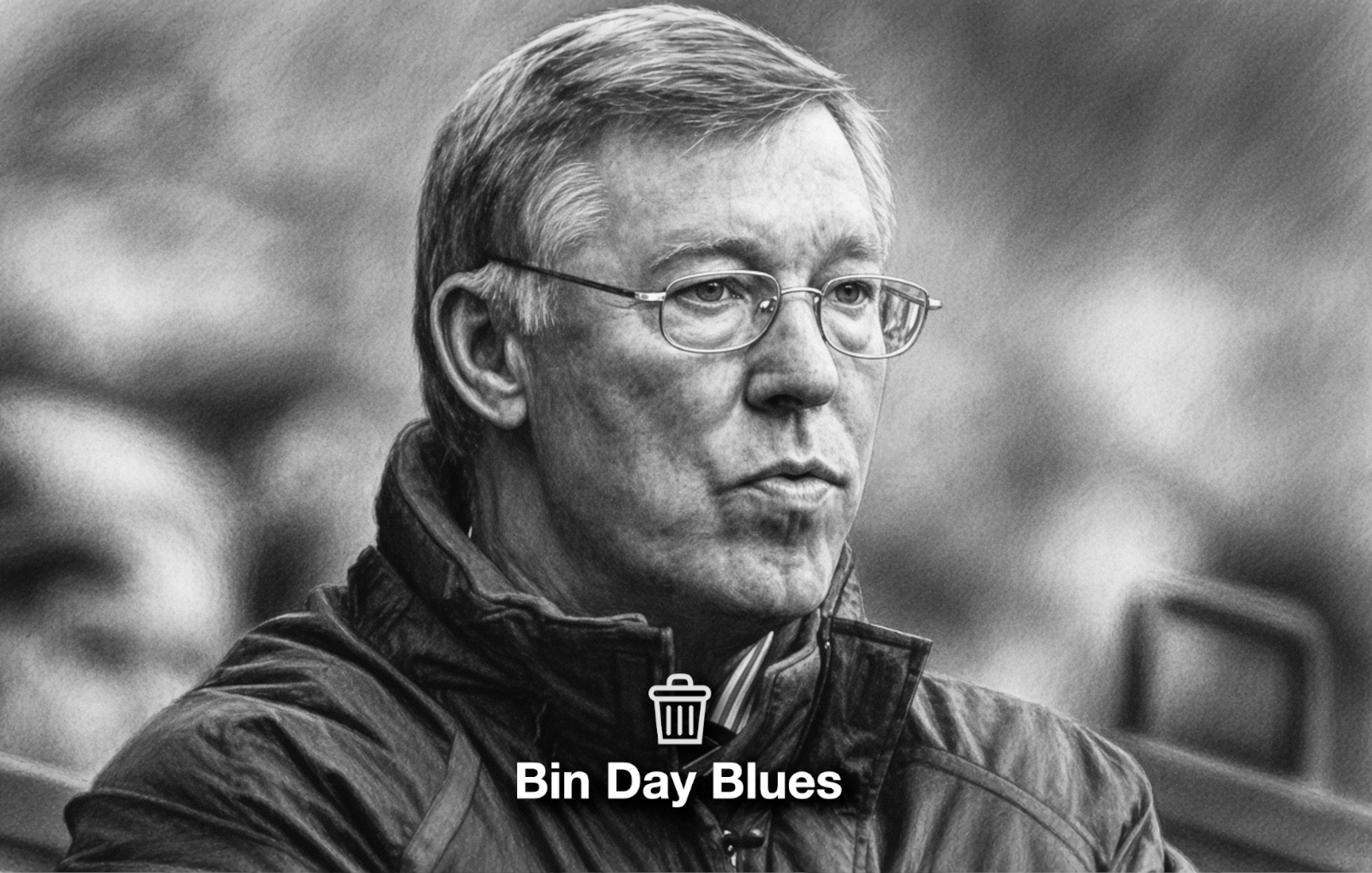
Sir Alex Ferguson
Sir Alex Ferguson (born 1941) is a Scottish former football manager and player, widely regarded as one of the greatest managers in sporting history. Best known for his extraordinary 26 years at Manchester United, Ferguson transformed a struggling football club into one of the most successful and recognisable sporting organisations in the world.
Born in Govan, Glasgow, Ferguson grew up in a working-class community where discipline, hard work and determination were everyday expectations. After a playing career that included spells at Queen's Park, St Johnstone, Dunfermline Athletic and Rangers, he moved into management, eventually achieving remarkable success with Aberdeen. His achievements there included breaking the dominance of Scotland's biggest clubs and winning the European Cup Winners' Cup in 1983.
Appointed Manchester United manager in 1986, Ferguson initially struggled to deliver results. Supporters questioned his methods, and speculation about his future intensified. However, the club persisted with him, and his long-term approach eventually produced unprecedented success.
Under his leadership, Manchester United won 13 Premier League titles, five FA Cups and two UEFA Champions League trophies. His teams became famous for attacking football, dramatic late victories and an almost unreasonable refusal to accept defeat.
Ferguson's success was not simply about tactics. He understood motivation, discipline, recruitment and the importance of continually rebuilding successful teams. He could be demanding, confrontational and uncompromising, but also demonstrated remarkable loyalty towards players and staff who earned his trust.
After retiring in 2013, Ferguson remained an influential figure in football and leadership discussions. His career offers valuable lessons beyond sport, particularly about managing people, handling setbacks and maintaining high standards.
His legacy demonstrates that lasting success rarely comes from one brilliant decision. More often, it emerges from thousands of smaller decisions, difficult conversations and the willingness to keep improving long after everyone else has started celebrating.
The Body Of Work
Manchester United: Building a Dynasty
Ferguson's greatest achievement was transforming Manchester United into a dominant force in English and European football. Between 1986 and 2013, he built several championship-winning teams rather than relying on one successful generation. His ability to recruit talent, develop young players and continually refresh the squad helped maintain exceptional standards across more than two decades of changing competition.
Aberdeen: Challenging the Established Order
Before Manchester United, Ferguson demonstrated his managerial abilities at Aberdeen, winning three Scottish league titles and four Scottish Cups. His crowning achievement came in 1983 when Aberdeen defeated Real Madrid to win the European Cup Winners' Cup. His success challenged the dominance of Celtic and Rangers, proving that strong leadership and organisation could overcome significant financial disadvantages.
The Class of '92: Developing Young Talent
Ferguson helped nurture a remarkable generation of Manchester United players, including David Beckham, Paul Scholes, Ryan Giggs, Gary Neville, Phil Neville and Nicky Butt. Rather than relying exclusively on expensive transfers, he trusted young players and gave them opportunities to develop. Their achievements demonstrated the long-term value of investing in potential rather than demanding immediate results.
Leading: Lessons in Leadership
Published in 2015 with businessman Michael Moritz, Leading explores Ferguson's approach to management, motivation, discipline and decision-making. Drawing on experiences from football and business, the book examines how successful organisations maintain standards, develop talent and handle pressure. Its practical observations extend beyond sport, making it particularly relevant to managers, business owners and anyone responsible for guiding others.
My Autobiography: Success and Setbacks
Published in 2013, My Autobiography provides Ferguson's account of his managerial career, relationships with players and some of football's most memorable controversies. The book discusses difficult decisions, personal disagreements and the pressures of elite management. It reveals that even highly successful leaders face uncertainty, make mistakes and occasionally discover that managing people is considerably harder than managing tactics.
Big Takeaways
1. Success Takes Longer Than You Think
Ferguson arrived at Manchester United in 1986 but did not win his first league title until 1993. When something matters, give it enough time to develop, whether that means building a business, learning a skill or improving your fitness. Not everything worthwhile happens before Thursday.
2. Standards Matter More Than Speeches
Ferguson demanded consistent effort, preparation and professionalism rather than relying on occasional motivational speeches. Set clear expectations for yourself and others, then follow through on them. A brilliant Monday followed by four days of doing absolutely nothing rarely produces impressive results.
3. Know When to Make Changes
Ferguson repeatedly rebuilt successful teams, sometimes making unpopular decisions about established players. His example demonstrates that yesterday's winning approach might not work tomorrow. Review what's working, recognise what isn't and make changes before circumstances force your hand.
4. Give People Room to Grow
Ferguson's faith in young players helped create one of football's most celebrated generations. Whether you're managing colleagues, raising children or supporting friends, people need opportunities to learn and occasionally make mistakes. Constantly interfering might feel helpful, but it rarely builds confidence or independence.
5. Don't Let Success Make You Comfortable
Winning trophies never stopped Ferguson from looking for improvements. Achieving a goal is worth celebrating, but it shouldn't prevent you from recognising new challenges. Enjoy your successes, then ask what could be done better, preferably after you've finished the celebratory biscuit.