
Thomas Edison
“I have not failed. I've just found 10,000 ways that won't work” – Thomas Edison
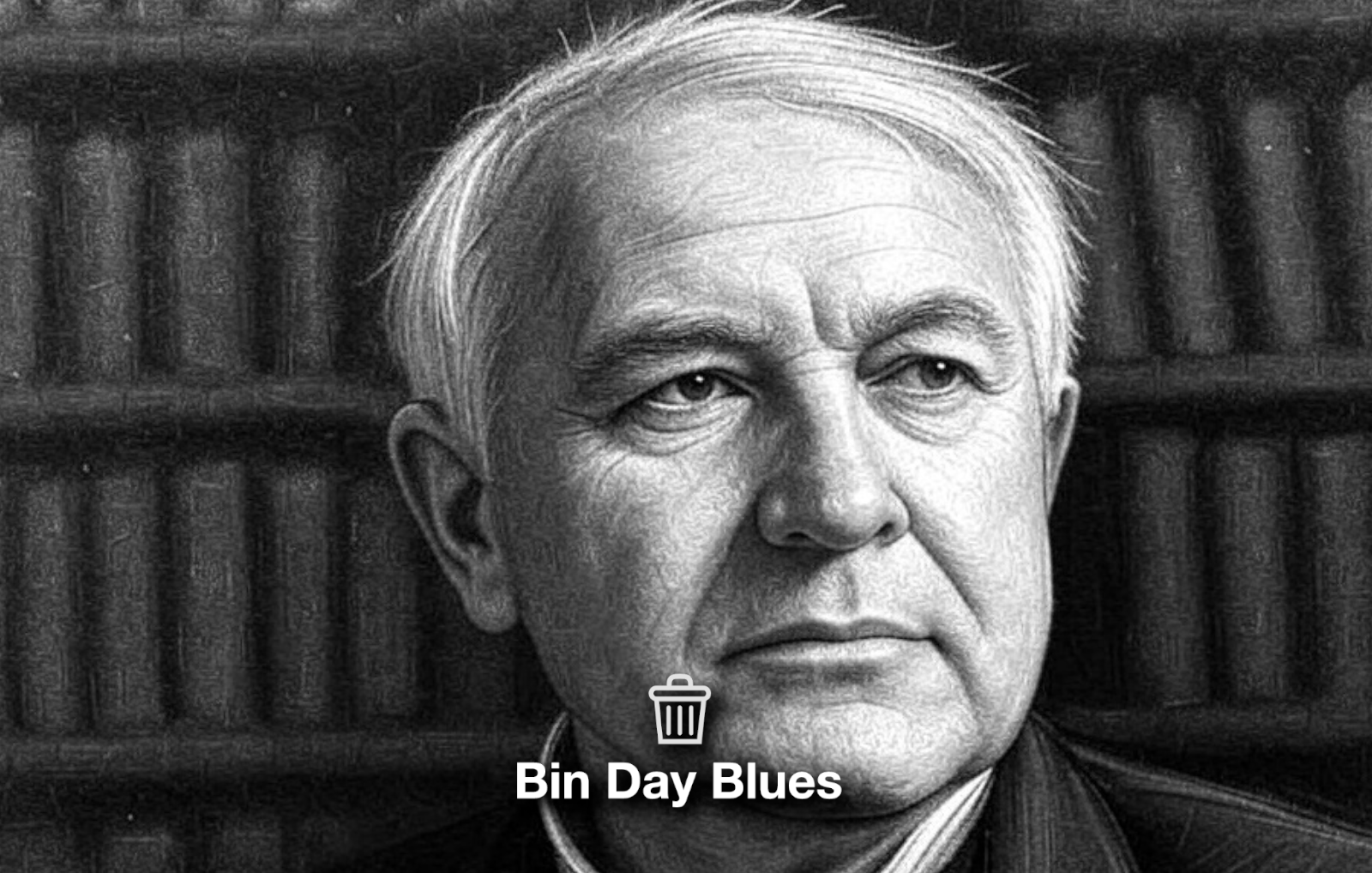
Thomas Edison
Thomas Alva Edison (1847–1931) remains one of the most influential inventors in modern history, often celebrated for his relentless curiosity, methodical experimentation, and extraordinary output of patented innovations. Born in Ohio and raised in Michigan, Edison faced a number of early challenges, including hearing loss and limited formal schooling. Yet his natural inclination toward tinkering and problem-solving quickly became evident. As a young man, he worked as a telegraph operator, a role that exposed him to emerging technologies and inspired his early experiments.
Edison’s career accelerated rapidly once he established his own laboratories, first in Newark and then in Menlo Park, New Jersey. These became centres of industrial research, where he developed new processes, refined existing inventions, and worked with teams of skilled assistants. His creation of the phonograph in 1877 made him internationally renowned, while his improvements to the incandescent light bulb and development of a complete electrical lighting system revolutionised the way the world functioned. This shift from gas lighting to electric systems reshaped industry, domestic life, and urban development.
Beyond illumination, Edison’s contributions extended into sound recording, motion pictures, batteries, telegraphy, and mining technologies. His work combined creativity with practical application, earning him more than a thousand patents. Though not all his ventures succeeded, his commitment to persistence, testing, and incremental improvement established a model for modern research and development. Edison’s impact lies not only in individual inventions but also in the system he pioneered—collaborative innovation carried out in organised, well-equipped laboratories. His legacy continues to shape how industries and inventors approach problem-solving, experimentation, and the pursuit of transformative ideas.
The Body Of Work
The Phonograph (1877)
Edison’s phonograph was a groundbreaking invention that captured and reproduced sound for the first time. Unlike earlier attempts at sound visualisation, the phonograph actually played back recordings, astonishing the public. It later evolved into music players, dictation tools, and recording technologies that shaped modern audio industries.
Incandescent Light Bulb and Electrical System (1879)
Although not the sole inventor of the light bulb, Edison significantly improved its longevity and practicality. More importantly, he built an entire electrical lighting system—from generators to wiring—making widespread home and street lighting feasible. This work revolutionised city life and laid the foundations for modern power grids.
Motion Picture Camera and Studio Innovations
Edison’s development of the Kinetograph camera and Kinetoscope viewer launched the early film industry. He established one of the first film studios, the Black Maria, where numerous short films were produced. These innovations helped move visual entertainment from novelty to a major cultural force.
Alkaline Storage Battery
Edison devoted years to developing a long-lasting, efficient battery suitable for transportation and industrial applications. Though initially intended for electric cars, the battery found success in railway signalling and marine uses. Its durability influenced later battery designs and contributed to advancements in portable power.
Telegraph and Telephone Improvements
Before his major fame, Edison worked intensively on telegraphy, creating devices such as the quadruplex telegraph, which could send multiple messages simultaneously. He also improved telephone transmitters, enhancing sound quality. These contributions strengthened the communication infrastructure during a period of rapid global expansion.
Big Takeaways
1. Keep Experimenting
Edison showed that progress often comes from trial, error, and improvement rather than sudden brilliance. His approach reminds us that repeated attempts, even failures, can lead to breakthroughs if perseverance remains at the centre.
2. Build the System, Not Just the Idea
Instead of inventing one device, Edison created fully functioning systems. This teaches us that successful innovation often requires thinking beyond the initial spark and considering all the elements needed to make an idea work in real life.
3. Teamwork Amplifies Talent
Though often depicted as a lone genius, Edison relied on large teams of skilled workers. His story highlights the importance of collaboration and the value of surrounding oneself with diverse perspectives and expertise.
4. Adapt When Needed
Not every one of Edison’s ventures flourished, but he continuously shifted focus, embraced new ideas, and redirected his efforts. His adaptability demonstrates how flexibility can keep a person moving forward even when plans falter.
5. Persistence Outweighs Inspiration
Edison believed strongly in effort over effortless brilliance. His disciplined work ethic reminds modern readers that consistent dedication can be more powerful than rare moments of inspiration.