
Why Zebras Don’t Get Ulcers
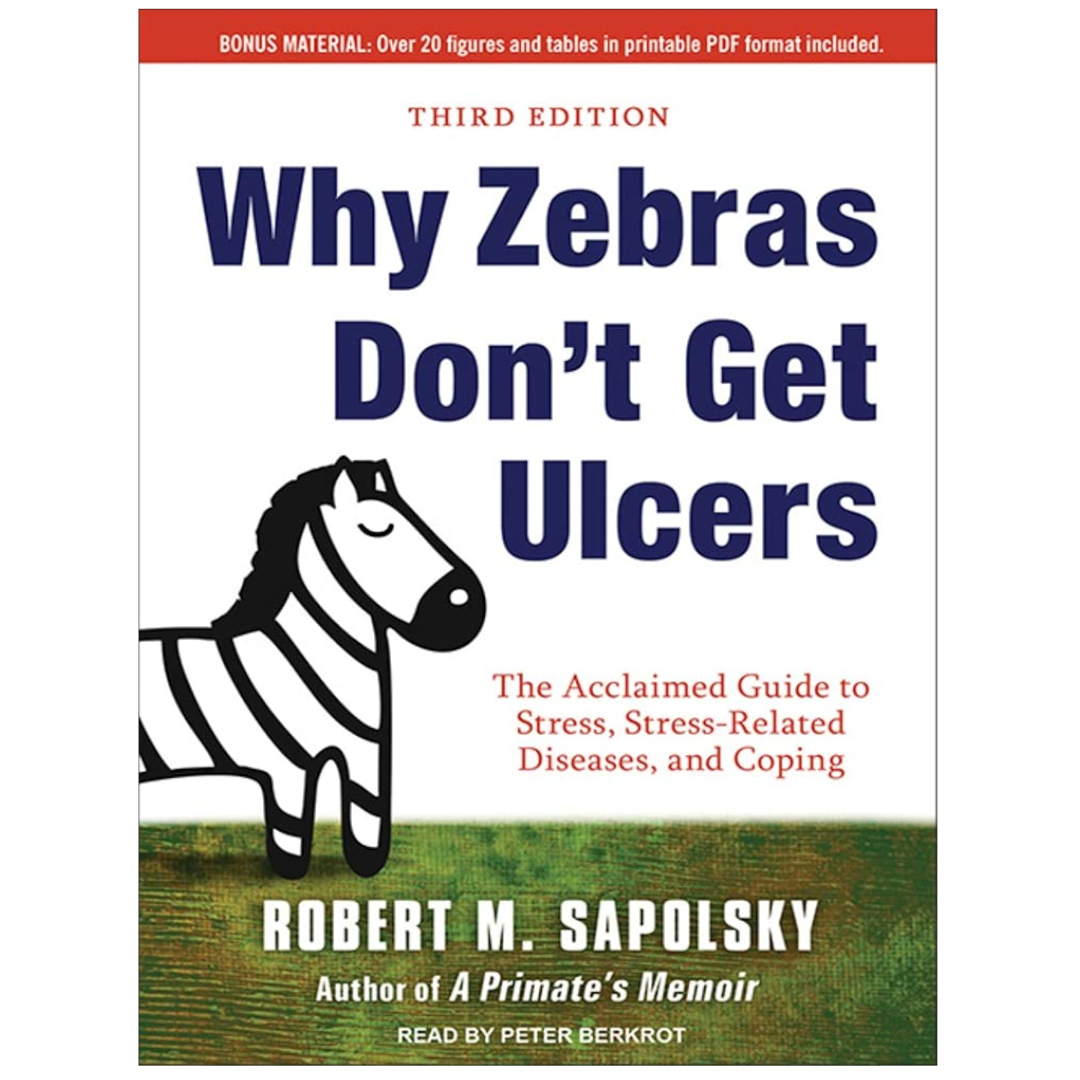
Why Zebras Don’t Get Ulcers by Robert M. Sapolsky is an engaging and scientifically grounded exploration of stress, its effects on the body, and how modern lifestyles contribute to chronic illness. Written by a neuroscientist and primatologist, the book combines humour, biology, psychology, and behavioural science to explain why humans experience long-term stress in ways that animals typically do not.
Sapolsky begins by explaining the body’s stress response, often referred to as the “fight or flight” mechanism. In animals such as zebras, this response is activated only during immediate physical danger, such as escaping a predator. Once the threat passes, the stress response switches off. Humans, however, can trigger the same biological reactions through thoughts, worries, social pressures, and anticipation of future problems, keeping the body in a prolonged state of tension.
The book explores how chronic stress affects nearly every system in the body, including the immune system, cardiovascular health, digestion, memory, and mental wellbeing. Sapolsky explains complex scientific concepts in an accessible and often entertaining way, making the subject approachable for general readers.
A major theme of the book is that stress itself is not always harmful; rather, it is the constant activation of the stress response without adequate recovery that causes damage. Sapolsky also examines how personality, social status, relationships, and coping mechanisms influence resilience and vulnerability to stress-related illness.
Overall, Why Zebras Don’t Get Ulcers offers a compelling understanding of how stress shapes human health. It encourages readers to recognise the biological impact of chronic stress and adopt healthier ways of managing pressure in everyday life.
5 Key Takeaways
1. Energy Begins at the Cellular Level
Gundry explains that true energy is produced within cells, specifically in the mitochondria. When these systems are impaired by inflammation or poor nutrition, fatigue follows. Understanding this helps readers focus on supporting cellular health rather than relying on short-term energy boosts like caffeine or sugar.
2. Gut Health Influences Overall Vitality
The book highlights the strong connection between the gut microbiome and energy levels. An imbalanced gut can trigger inflammation and disrupt energy production. By improving gut health through diet and lifestyle changes, readers can enhance both physical stamina and mental clarity.
3. Inflammation Drains Energy
Chronic inflammation is presented as a major cause of fatigue. Certain foods and habits can silently trigger this response in the body. Reducing inflammatory triggers allows the body to function more efficiently, helping restore consistent energy levels.
4. Diet Plays a Crucial Role
Gundry emphasises the importance of food choices in maintaining energy. Avoiding highly processed foods and incorporating nutrient-dense options supports gut and cellular health. Readers learn that what they eat daily has a direct and lasting impact on how energised they feel.
5. Sustainable Energy Requires Lifestyle Balance
Beyond diet, factors such as sleep, stress, and fasting influence energy. Gundry encourages a balanced approach that supports recovery and resilience. Consistent habits, rather than quick fixes, are key to maintaining long-term vitality and wellbeing.