
Diego Maradona
“To see the ball, to run after it, makes me the happiest man in the world.” – Diego Maradona
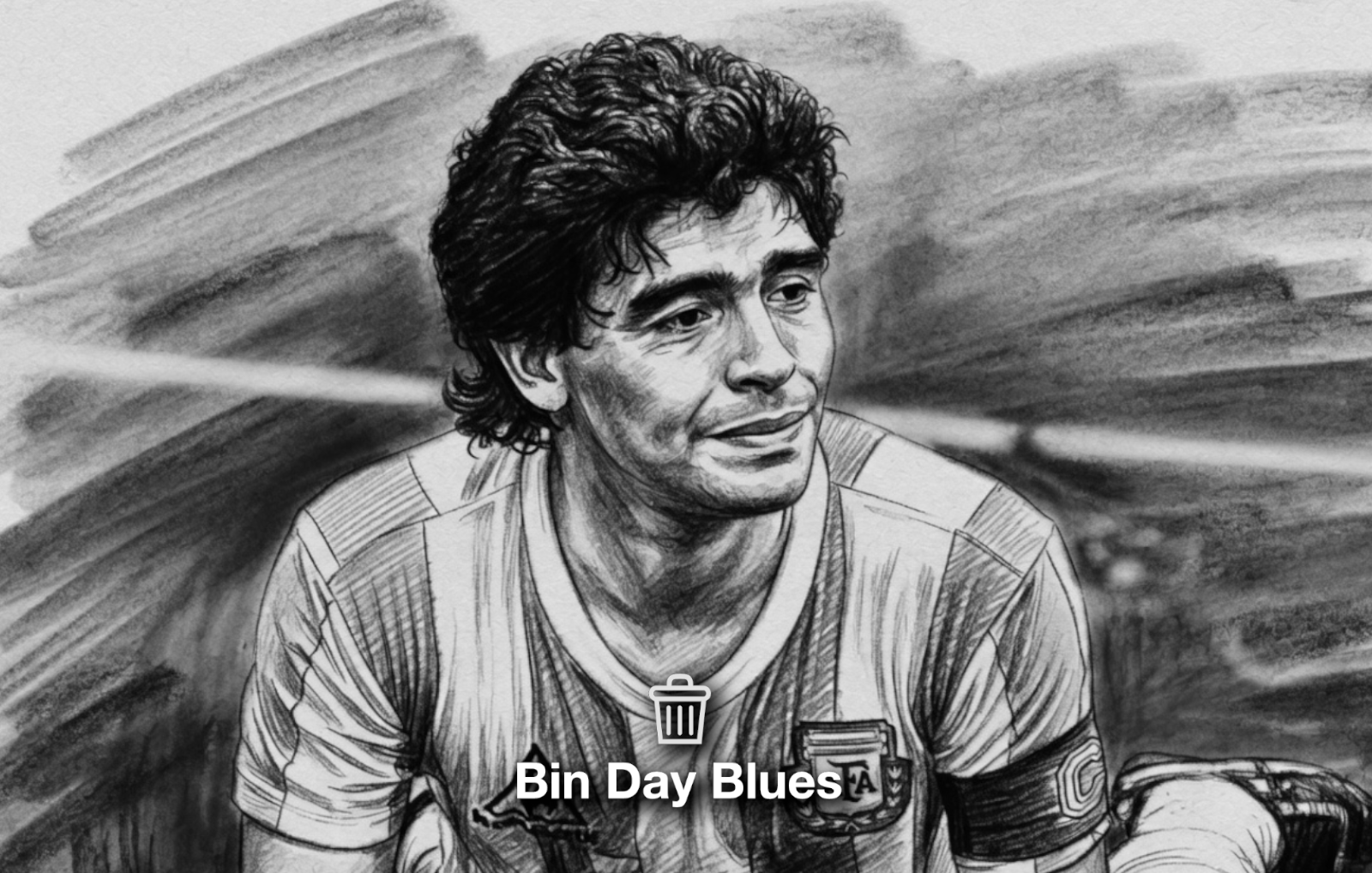
Diego Maradona
Diego Maradona (1960–2020) was an Argentine footballer widely regarded as one of the greatest players in the history of the sport. Born in Villa Fiorito, a poor suburb of Buenos Aires, Maradona’s early life was shaped by hardship, yet his extraordinary talent with a football quickly set him apart. By the age of 15, he had made his professional debut, displaying a rare combination of balance, vision, and control that would define his career.
Maradona rose to international prominence during the 1980s, playing for clubs such as Barcelona and Napoli. His time at Napoli remains legendary; he led the club to its first Serie A titles, transforming it into a dominant force in Italian football. His influence extended beyond sport, becoming a symbol of pride for working-class communities, particularly in southern Italy.
The pinnacle of his career came during the 1986 FIFA World Cup, where he captained Argentina to victory. His performances were unforgettable, including the famous “Hand of God” goal and the “Goal of the Century” against England, demonstrating both controversy and brilliance in equal measure. These moments cemented his status as a global icon.
Despite his immense success, Maradona’s life was also marked by personal struggles, including battles with addiction and health issues. These challenges added complexity to his public image, reflecting the pressures of fame and expectation.
Culturally, Maradona represents more than athletic excellence. He embodied passion, defiance, and raw human emotion, connecting deeply with fans worldwide. His legacy lies in his ability to inspire, provoke, and captivate, reminding audiences that greatness often exists alongside imperfection.
The Body Of Work
1986 FIFA World Cup
The 1986 FIFA World Cup was Maradona’s defining tournament. As captain of Argentina, he delivered extraordinary performances, scoring five goals and assisting several more. His leadership and individual brilliance carried his team to victory, solidifying his reputation as one of football’s greatest players.
Napoli Career
At SSC Napoli, Maradona achieved legendary status. He led the club to two Serie A titles, a Coppa Italia, and a UEFA Cup. His impact extended beyond football, symbolising hope and pride for a region often overlooked in Italian society.
Barcelona Years
Maradona’s time at FC Barcelona showcased his technical brilliance despite injuries and challenges. He won domestic trophies and gained international attention, further establishing himself as a global footballing star.
International Career with Argentina
Playing for the Argentina national football team, Maradona earned over 90 caps and scored 34 goals. His leadership and creativity made him the focal point of the team during its most successful era.
Coaching and Later Influence
After retiring, Maradona moved into coaching, including managing the Argentina national team. While less successful than his playing career, his presence continued to influence football culture and inspire future generations.
Big Takeaways
1. Talent Can Come from Anywhere
Maradona’s rise from poverty shows that ability is not limited by background. Opportunity can emerge from the most unlikely places.
2. Passion Fuels Greatness
His emotional connection to the game drove his performances. Genuine passion often separates good from exceptional.
3. Imperfection Is Human
Maradona’s struggles remind us that success does not eliminate personal challenges. Growth includes recognising flaws.
4. Leadership Inspires Others
His role in Argentina’s World Cup win shows how one individual can elevate an entire team.
5. Legacy Is Complex
Maradona’s story combines brilliance and controversy. Lasting impact often comes with both admiration and debate.