
Christina Koch
“I think exploration is a fundamental human instinct.” – Christina Koch
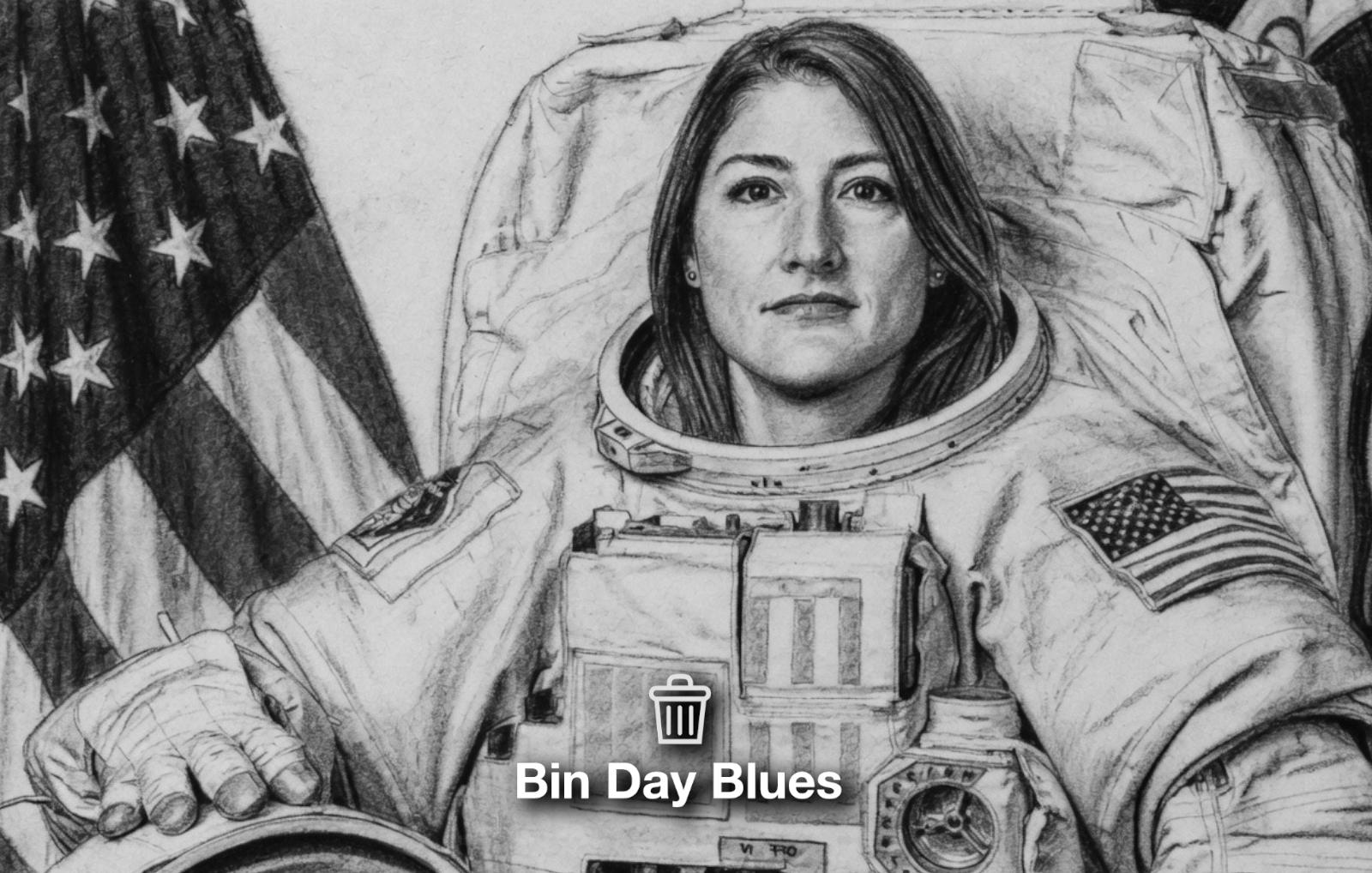
Christina Koch
Christina Koch is a pioneering American engineer and NASA astronaut whose extraordinary career has pushed the boundaries of human space exploration. Born on 29 January 1979 in Grand Rapids, Michigan, and raised in Jacksonville, North Carolina, Koch developed a passion for science and adventure early in life. She earned bachelor’s degrees in electrical engineering and physics, followed by a master’s in electrical engineering from North Carolina State University. Before joining NASA, her work spanned instrument development for space missions at Goddard Space Flight Centre and Johns Hopkins Applied Physics Laboratory, as well as extreme-environment fieldwork, including a winter-over at Antarctica’s South Pole Station and stints in Greenland, Alaska, and American Samoa.
Selected as a NASA astronaut in 2013, Koch launched her first mission to the International Space Station in March 2019 aboard Soyuz MS-12. She spent a record-breaking 328 consecutive days in orbit as flight engineer for Expeditions 59, 60, and 61, returning to Earth in February 2020. During this time, she completed six spacewalks, including the first all-female spacewalks with Jessica Meir, and contributed to hundreds of scientific experiments advancing knowledge in human physiology, combustion science, and materials research. In April 2026, she flew as a mission specialist on Artemis II, becoming the first woman to travel beyond low Earth orbit and orbit the Moon. The ten-day mission set a new record for the farthest distance humans have flown from Earth.
Koch’s achievements symbolise progress in gender equality and long-duration spaceflight preparation for Mars missions. Her engineering background and resilience in remote, harsh environments have made her a role model for aspiring scientists and explorers worldwide. By demonstrating that dedication, teamwork, and curiosity can overcome immense challenges, she has inspired a new generation to pursue STEM careers and view space as a shared human endeavour. Her story underscores the importance of scientific exploration not only for discovery but also for deepening our appreciation of life on Earth.
The Body Of Work
International Space Station Expedition (2019–2020)
Koch served as flight engineer across three expeditions, logging 328 days – the longest single spaceflight by a woman. She supported over 200 investigations into microgravity effects on the human body, combustion, and protein crystals for medical research, generating data crucial for future deep-space missions while maintaining the orbiting laboratory.
Historic All-Female Spacewalks
Across six extravehicular activities totalling more than 42 hours, Koch helped repair the ISS cooling system. Most notably, she joined Jessica Meir for the first all-female spacewalks in 2019, showcasing women’s capabilities in orbital operations and advancing inclusive practices in space exploration.
Artemis II Lunar Flyby Mission (2026)
As a mission specialist on NASA’s first crewed Artemis flight, Koch became the first woman to orbit the Moon. The ten-day journey aboard Orion set a new human distance record from Earth at 406,771 km and tested systems for future lunar landings, opening pathways for sustained human presence beyond low Earth orbit.
Pre-Astronaut Engineering and Polar Research
Before NASA, Koch designed instruments for missions including Juno and the Van Allen Probes. She also conducted year-round scientific operations at Antarctica’s South Pole, Greenland’s Summit Station, and remote NOAA observatories in Alaska and Samoa, honing skills in extreme environments essential for spaceflight readiness.
Contributions to Space Science Experiments
On the ISS, Koch ran studies on bone and muscle degradation, 3D bioprinting of tissues, and microgravity combustion. These experiments improve astronaut health for Mars voyages while yielding Earth benefits such as better cancer treatments and fire-safety technologies. (49 words)
Big Takeaways
1. Curiosity Drives Exploration
Koch’s career shows how curiosity can lead to extraordinary paths. A desire to understand the unknown is often the first step towards meaningful discovery.
2. Preparation Builds Confidence
Her extensive training and experience in extreme environments highlight the importance of preparation. Confidence grows when skills are tested and refined over time.
3. Teamwork Is Essential
Space missions depend on collaboration. Koch’s work demonstrates how shared goals and trust create successful outcomes in high-stakes situations.
4. Representation Matters
Her role in the first all-female spacewalk shows the impact of visibility. Seeing diverse individuals succeed expands what others believe is possible.
5. Adaptability Is Strength
Living and working in space requires constant adjustment. Flexibility and resilience are key to thriving in uncertain environments.