
Morgan Freeman
“I don’t want a Black history month. Black history is American history.” – Morgan Freeman
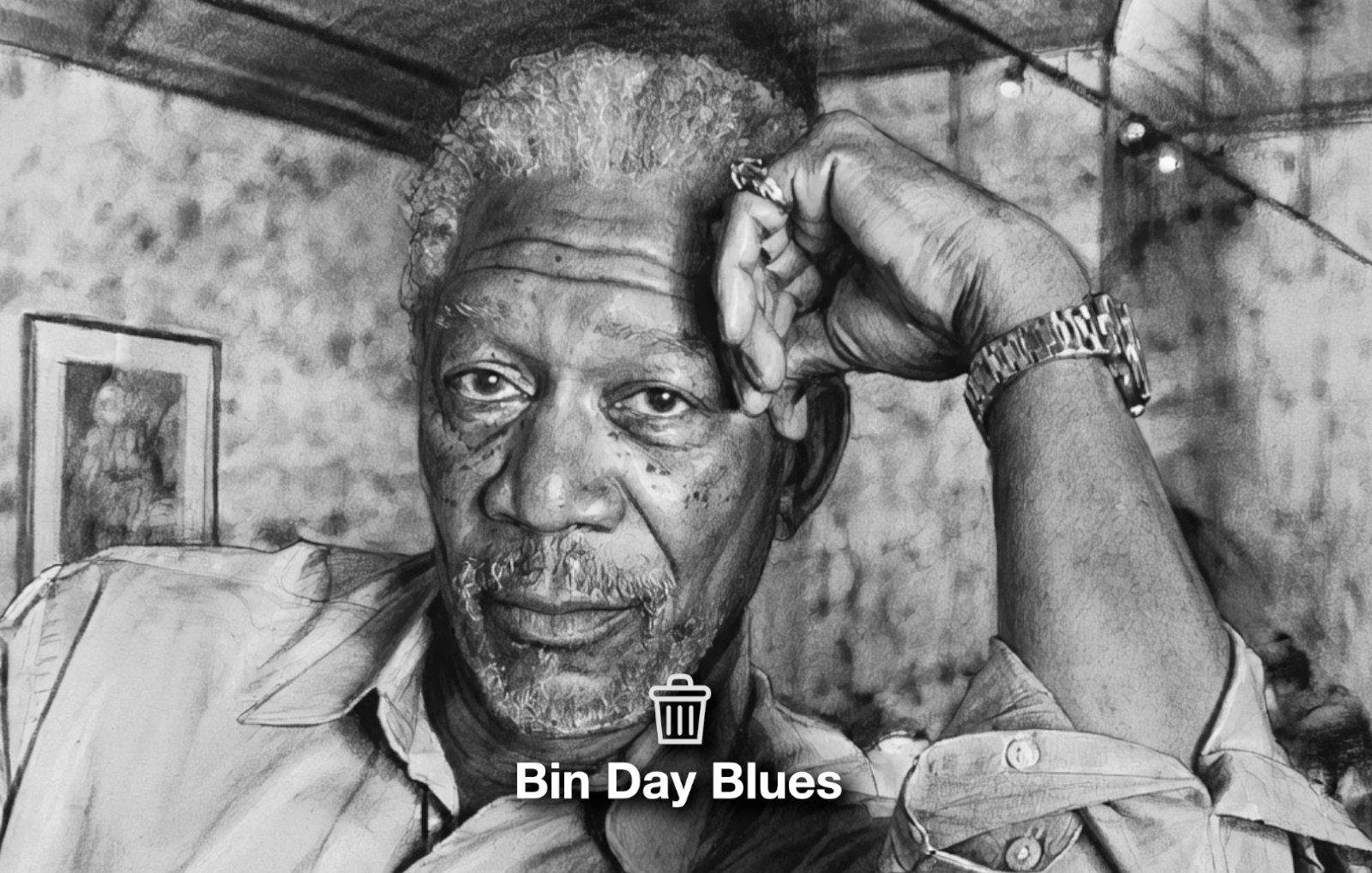
Morgan Freeman
Morgan Freeman (born 1937) is an American actor, producer, and narrator whose career spans over six decades and has made him one of the most respected figures in global cinema. Born in Memphis, Tennessee, and raised in Mississippi, Freeman discovered an early interest in performance, taking part in school plays before serving in the United States Air Force. After his service, he pursued acting seriously, studying theatre and gradually building a career on stage before transitioning into film and television.
Freeman’s early career included work in theatre and television, notably on the children’s programme The Electric Company, where his versatility and commanding presence first gained attention. His breakthrough in cinema came later in life, with standout performances in films such as Street Smart (1987), for which he received an Academy Award nomination. From there, his reputation grew rapidly, and he became known for portraying characters marked by wisdom, authority, and emotional depth.
Over the years, Freeman has appeared in numerous critically acclaimed films, working with some of the most prominent directors in Hollywood. His performances in films such as Driving Miss Daisy, The Shawshank Redemption, and Million Dollar Baby have become cultural touchstones, earning him both an Academy Award and enduring public admiration. His distinctive voice has also made him one of the most recognisable narrators in documentary filmmaking.
Beyond acting, Freeman has been involved in producing and supporting educational and environmental projects. He is also known for his calm public persona and philosophical outlook, often speaking on themes of resilience, time, and human dignity. His presence in popular culture extends beyond film, representing a voice of authority, calm reflection, and moral clarity.
Morgan Freeman’s cultural importance lies in his ability to embody dignity and depth on screen, influencing how audiences perceive leadership, wisdom, and humanity in storytelling.
The Body Of Work
The Shawshank Redemption (1994)
The Shawshank Redemption features Freeman as Ellis “Red” Redding, a prison inmate whose reflective narration anchors the film. His performance is widely regarded as one of the greatest in modern cinema, bringing emotional depth and humanity to a story about hope, endurance, and friendship.
Driving Miss Daisy (1989)
Driving Miss Daisy earned Freeman an Academy Award nomination for his portrayal of Hoke Colburn, a chauffeur navigating themes of race, class, and ageing in the American South. His performance is noted for its quiet strength and emotional subtlety.
Million Dollar Baby (2004)
Million Dollar Baby won Freeman an Academy Award for Best Supporting Actor. He played Eddie “Scrap-Iron” Dupris, a former boxer who serves as mentor and narrator, adding philosophical depth to the film’s exploration of ambition and loss.
Bruce Almighty (2003)
Bruce Almighty cast Freeman as God, a role that became iconic for his calm authority and warmth. His portrayal helped balance comedy with spiritual reflection, contributing significantly to the film’s popularity.
Documentary Narration Work
Freeman’s narration work, including projects like March of the Penguins and various historical documentaries, has made him one of the most recognisable voices in film. His delivery adds gravitas and clarity, shaping how audiences engage with factual storytelling.
Big Takeaways
1. Patience Pays Off
Freeman achieved global fame later in life. His career shows that success does not always follow a fast timeline.
2. Presence Matters More Than Volume
His performances demonstrate that calm, controlled delivery can be more powerful than loud expression.
3. Versatility Builds Longevity
Freeman moved between theatre, television, film, and narration. Adaptability helps sustain a long and meaningful career.
4. Storytelling Is a Powerful Tool
His work highlights how stories shape understanding, emotion, and shared human experience.
5. Dignity Leaves a Lasting Impression
Freeman’s characters often embody quiet dignity. How one carries oneself can define public legacy.