
Grit
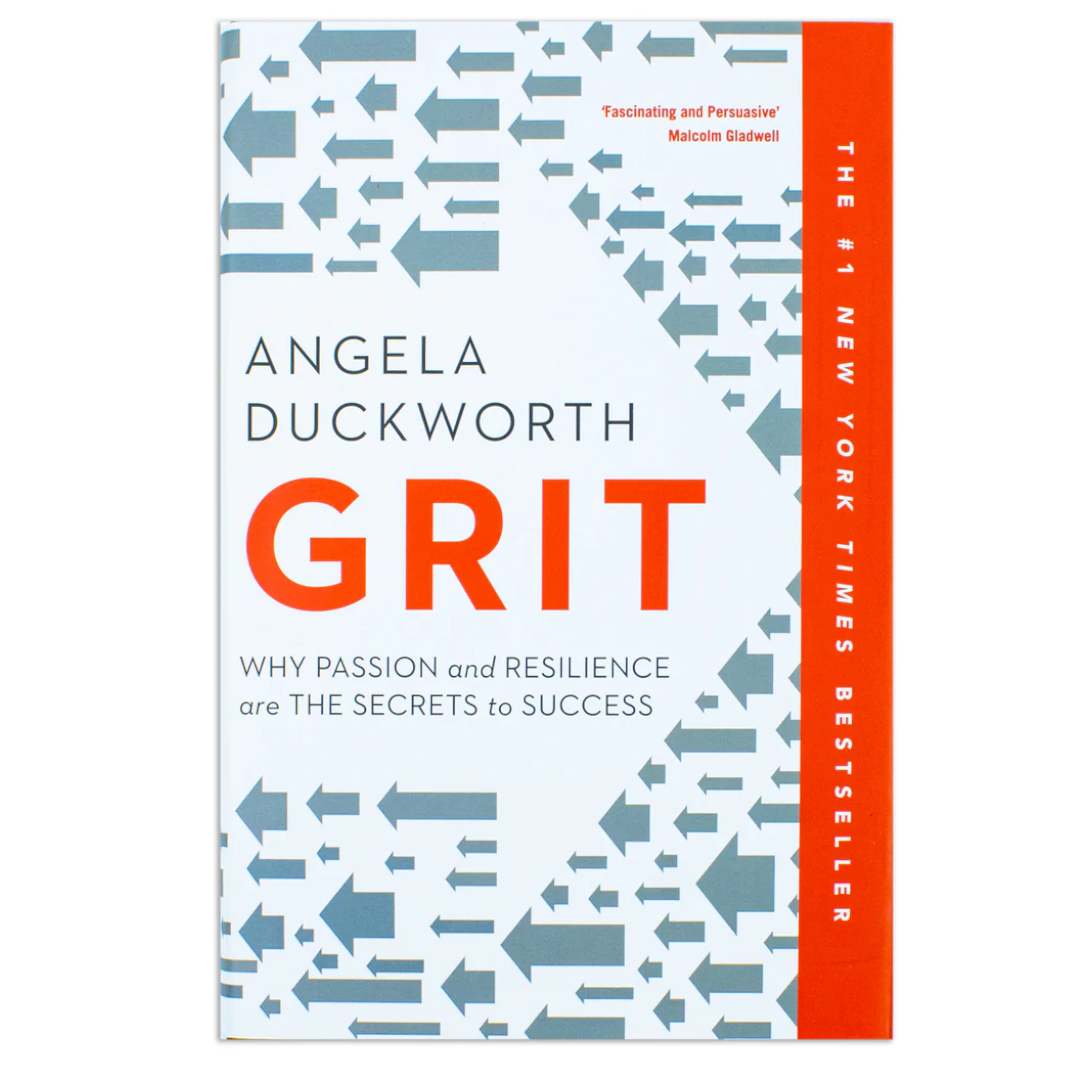
Grit: The Power of Passion and Perseverance by Angela Duckworth explores why some individuals achieve extraordinary results while others with similar talent do not. Drawing on years of psychological research, Duckworth argues that success is driven less by natural ability and more by a powerful combination of sustained passion and persistent effort—what she calls “grit”.
Duckworth began studying grit while working as a teacher and noticing that academic ability alone did not predict which students would succeed. Later research across fields such as sport, business, education, and the military reinforced this observation. Individuals who continued working towards long-term goals despite obstacles consistently outperformed those who relied primarily on talent.
A key concept in the book is that effort counts twice. Talent helps determine how quickly a skill can be learned, but effort determines whether that talent is developed into real achievement. Without perseverance and dedication over time, natural ability rarely translates into meaningful success.
Duckworth also highlights the importance of purpose and interest in sustaining long-term motivation. Passion is not just intense enthusiasm but a deep commitment to a meaningful pursuit. When people connect their goals to a broader sense of purpose, they are more likely to continue working through challenges and setbacks.
Importantly, the book emphasises that grit is not a fixed trait. It can be cultivated through deliberate practice, supportive environments, and a growth mindset that views effort as a path to mastery.
Overall, Grit challenges the cultural myth that success belongs only to the naturally gifted. Instead, it shows that determination, resilience, and sustained commitment often play a far greater role in achieving meaningful goals.
5 Key Takeaways
1. Effort Matters More Than Talent Alone
Duckworth explains that natural ability is only part of the success equation. While talent can provide an initial advantage, effort determines how far that ability develops. Consistent practice and persistence allow individuals to refine skills over time, often enabling them to outperform those who rely solely on natural gifts.
2. Passion Fuels Long-Term Commitment
Grit requires more than determination; it also requires passion. Duckworth describes passion as a sustained interest in a meaningful goal over many years. This deep connection to purpose helps individuals remain motivated, even when progress feels slow or challenges arise.
3. Persistence Through Setbacks Builds Strength
Failure and difficulty are unavoidable in any worthwhile pursuit. The book shows that gritty individuals treat setbacks as temporary and continue moving forward. By learning from mistakes rather than avoiding them, readers can build resilience and maintain progress over the long term.
4. Deliberate Practice Drives Mastery
Improvement comes from focused, intentional practice rather than repetition alone. Duckworth emphasises the importance of pushing slightly beyond current ability, seeking feedback, and refining techniques. This disciplined approach helps individuals steadily improve and reach higher levels of performance.
5. Grit Can Be Developed Over Time
Duckworth stresses that grit is not simply an inborn personality trait. It grows through supportive environments, clear goals, and the belief that abilities can improve. Readers can cultivate perseverance by committing to meaningful pursuits and embracing the long process of improvement.