
Stop Thinking, Start Living
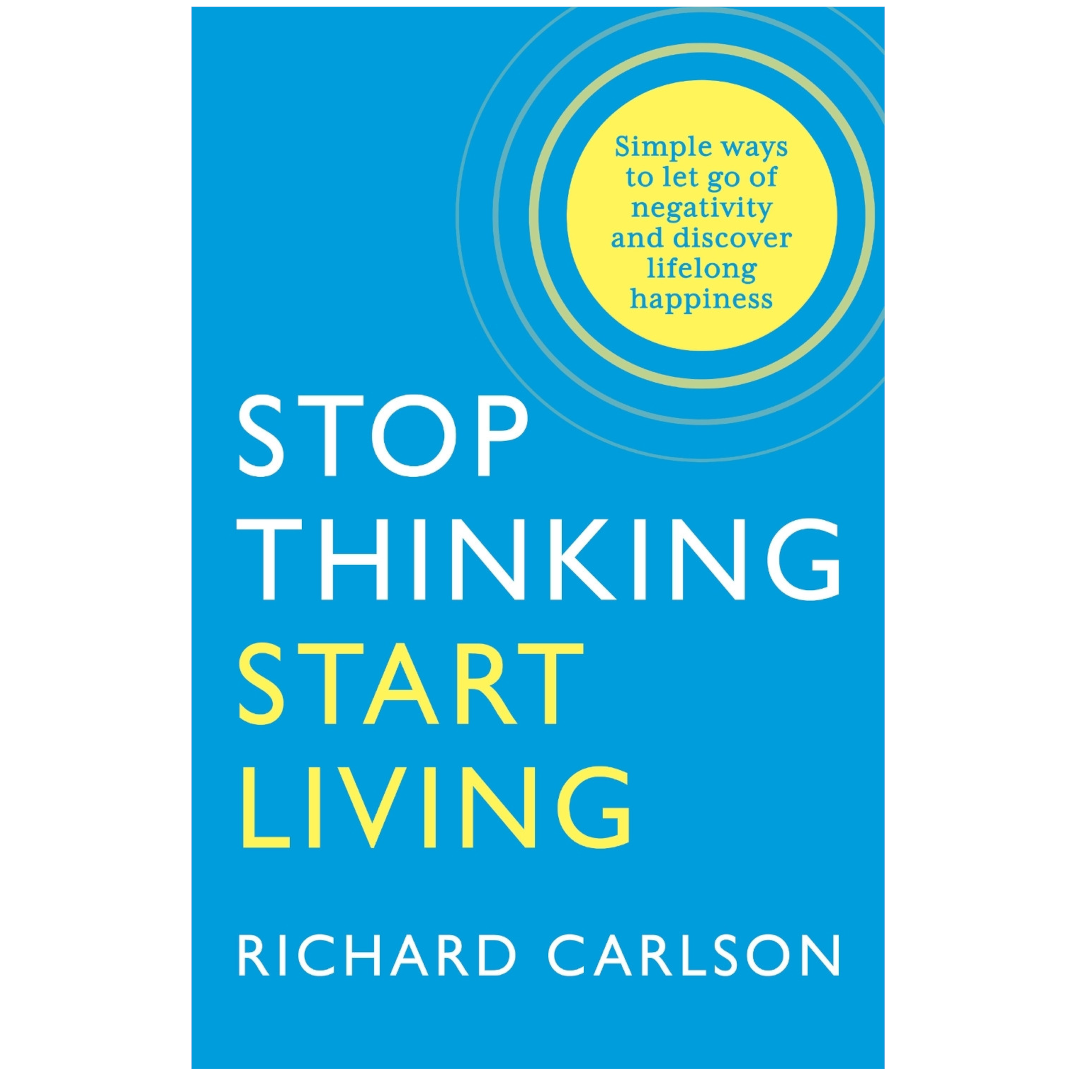
Stop Thinking, Start Living by Richard Carlson is a practical guide to reducing overthinking, managing stress, and finding greater peace of mind. Best known for Don't Sweat the Small Stuff, Carlson built his reputation on helping people simplify their thinking and avoid becoming trapped by worry, anxiety, and mental clutter. In this book, he explores how excessive thinking often prevents people from fully engaging with life.
Carlson argues that many people spend too much time analysing the past, worrying about the future, or trying to control things beyond their influence. This constant mental activity can create unnecessary stress, making problems seem larger than they really are. Instead of solving difficulties, overthinking often magnifies them.
A central theme of the book is the importance of living in the present moment. Carlson encourages readers to trust themselves more and to recognise that they do not need to mentally rehearse every possible outcome before taking action. By stepping back from excessive analysis, individuals can make clearer decisions and experience greater enjoyment in daily life.
The book also highlights the role of perspective. Many frustrations and worries lose their power when viewed from a broader viewpoint. Carlson suggests that cultivating patience, gratitude, and acceptance helps people respond more calmly to life's inevitable challenges.
Written in a straightforward and accessible style, the book focuses on practical changes rather than complex psychological theories. The advice is designed to be applied immediately, helping readers break unhelpful mental habits and develop a more relaxed outlook.
Overall, Stop Thinking, Start Living serves as a reminder that life is meant to be experienced, not endlessly analysed. It encourages readers to spend less time trapped in their heads and more time participating fully in the present.
5 Key Takeaways
1. Overthinking Creates Unnecessary Stress
Carlson explains that excessive thinking often increases anxiety rather than solving problems. Constant analysis can make challenges appear bigger and more threatening than they really are. Readers learn that stepping back from repetitive thought patterns can create greater clarity, reduce stress, and improve decision-making.
2. The Present Moment Deserves More Attention
Many people spend their time replaying the past or worrying about the future. The book encourages readers to focus on what is happening now. This shift improves enjoyment, strengthens relationships, and reduces the mental exhaustion that comes from living everywhere except the present moment.
3. Not Every Problem Requires Immediate Analysis
Carlson highlights that some situations improve when given space rather than constant attention. Readers learn that allowing thoughts to settle naturally often produces better solutions than endless mental debate. Patience can be more productive than frantic problem-solving.
4. Perspective Changes Everything
Small frustrations can consume enormous amounts of emotional energy when viewed in isolation. The book teaches readers to zoom out and see challenges within the broader context of life. This perspective reduces emotional reactivity and encourages a calmer, more balanced response.
5. Trust Yourself More
A recurring message throughout the book is the importance of self-trust. Readers are encouraged to stop second-guessing every decision and recognise their ability to handle uncertainty. Greater confidence in one's judgement leads to less anxiety and a more relaxed approach to life.