
The Now Habit
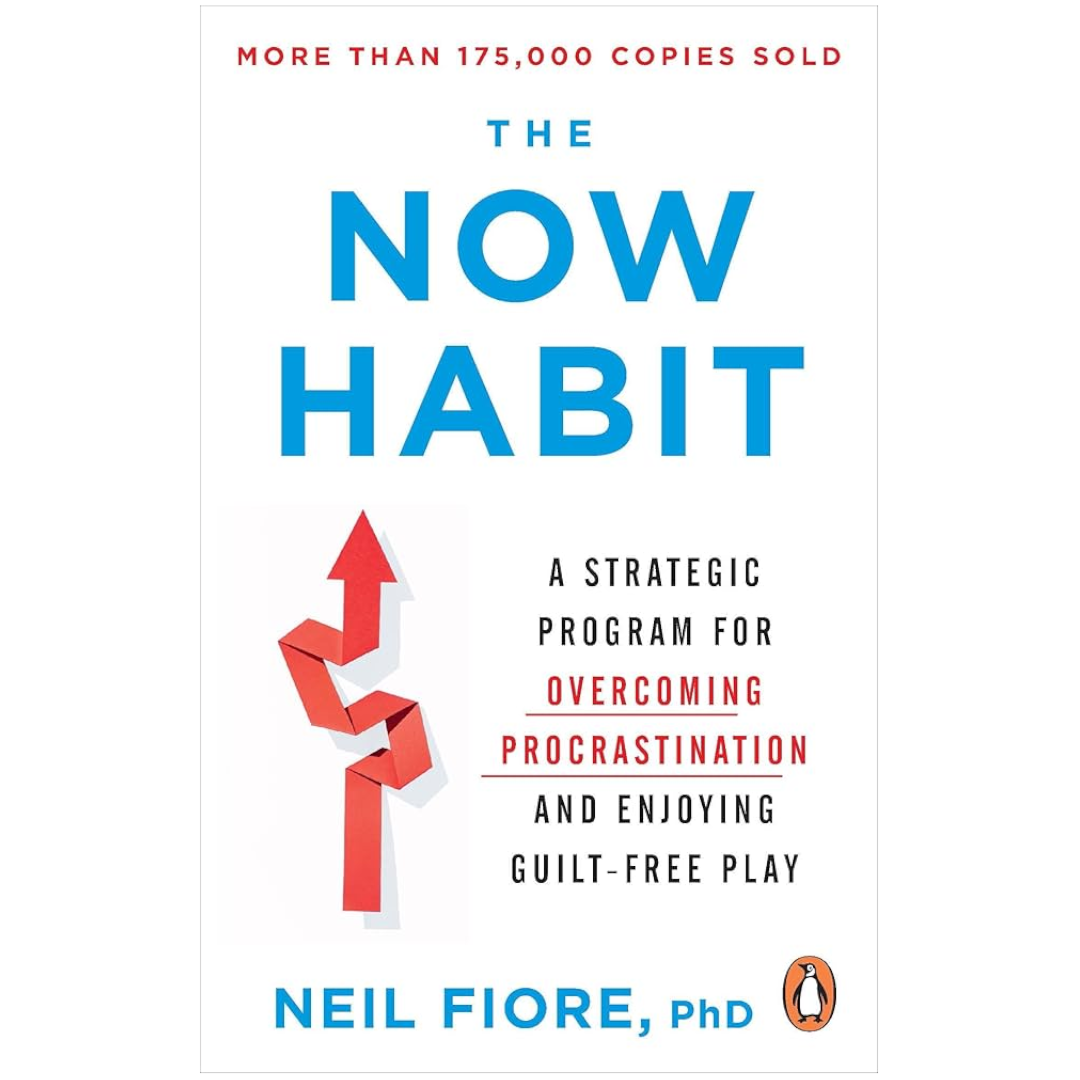
The Now Habit by Neil Fiore is a practical and psychologically informed guide to overcoming procrastination by changing how we relate to work, time, and ourselves. Rather than framing procrastination as laziness or poor discipline, Fiore presents it as a coping mechanism rooted in fear—fear of failure, fear of success, fear of judgment, or fear of losing control. This reframing is central to the book’s compassionate and effective approach.
Fiore draws on cognitive behavioural psychology to explain how negative self-talk, perfectionism, and unrealistic expectations trap people in cycles of avoidance and guilt. He argues that many procrastinators are, in fact, highly motivated individuals who have learned to associate work with stress and self-criticism. As a result, delaying tasks becomes a way to protect self-worth, even though it creates long-term anxiety.
One of the book’s key contributions is its focus on reducing pressure rather than increasing it. Fiore challenges traditional productivity advice that relies on willpower, rigid schedules, and harsh self-discipline. Instead, he encourages readers to prioritise rest, play, and achievable progress, creating a healthier balance that makes starting work feel safer and more manageable.
Practical tools such as the “Unschedule” help readers focus on small, intentional blocks of work while clearly protecting time for leisure and recovery. This method shifts attention away from what has not been done and towards what has been achieved, reducing guilt and building confidence over time.
Overall, The Now Habit is not just a productivity book but a mindset shift. It teaches readers how to replace self-blame with self-trust, transform anxiety into action, and build sustainable work habits that support both achievement and wellbeing.
5 Key Takeaways
1. Procrastination Is a Response to Pressure, Not Laziness
Fiore teaches that procrastination often arises from fear and excessive self-pressure rather than a lack of motivation. By recognising avoidance as a stress response, readers can stop blaming themselves and instead focus on reducing the emotional weight attached to tasks, making it easier to begin without anxiety or resistance.
2. Self-Criticism Undermines Productivity
The book shows how harsh inner dialogue increases stress and fuels avoidance. Fiore encourages replacing self-criticism with supportive, realistic self-talk. When readers stop attacking themselves for not doing enough, they reduce fear around work and create a mental environment where progress feels possible and safer.
3. Small, Timed Efforts Create Momentum
Rather than demanding long hours of focus, Fiore promotes short, timed work sessions. These small commitments lower resistance and help readers experience quick success. Over time, this builds confidence, reduces overwhelm, and proves that consistent progress matters more than intense but unsustainable effort.
4. Rest and Play Are Essential for Effective Work
Fiore challenges the belief that leisure must be earned. By scheduling rest and enjoyment first, readers reduce burnout and resentment towards work. Knowing that relaxation is protected makes it easier to concentrate during work periods and creates a healthier balance between effort and recovery.
5. Progress, Not Perfection, Leads to Success
The book encourages letting go of perfectionism, which often paralyses action. Fiore emphasises progress over flawless results, helping readers accept mistakes as part of growth. This mindset reduces fear, increases resilience, and supports long-term productivity without sacrificing mental well-being.