
The Power of No
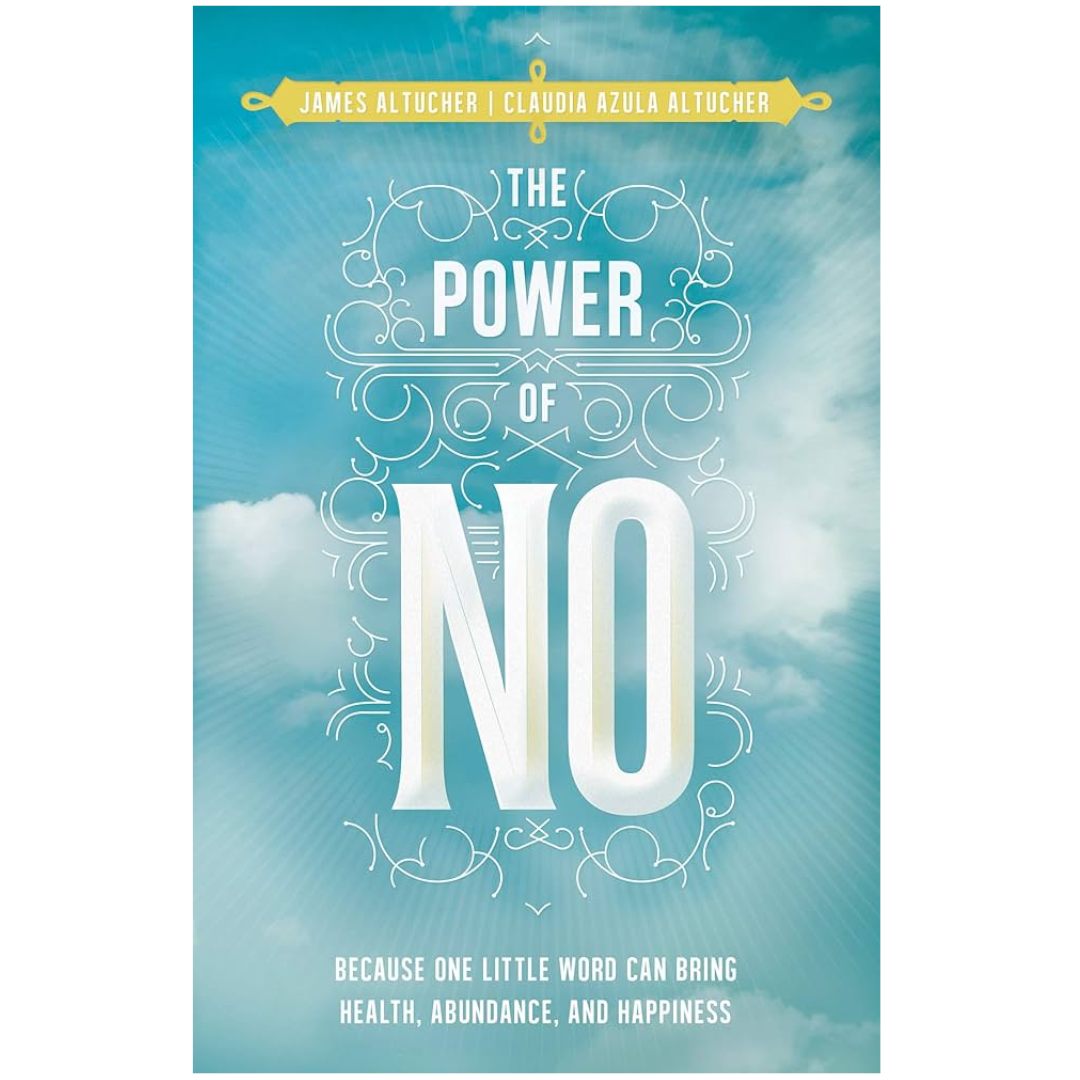
The Power of No by James Altucher and Claudia Azula Altucher (2014) is a thoughtful exploration of how learning to say “no” can create space for a more authentic, intentional life. The authors argue that many people feel overwhelmed because they are conditioned to agree, comply, or accommodate, even when doing so undermines their well-being. By reclaiming the ability to refuse what no longer serves us, they suggest we gain the clarity and energy needed to pursue what genuinely matters.
Throughout the book, “no” is presented not as an act of negativity or rejection, but as a positive boundary—one that protects our time, health, relationships, and sense of self. The Altuchers emphasise that every “yes” carries a cost, and that indiscriminate agreement often leads to burnout, resentment, and a loss of personal direction. Learning to say “no” thoughtfully, they contend, empowers individuals to prioritise the commitments and connections that truly enrich their lives.
The authors use a mixture of anecdote, reflective exercises, and practical advice to illustrate how saying “no” can improve decision-making, reduce stress, and strengthen emotional resilience. They also address the guilt that often accompanies refusal, offering reassurance that setting limits is not selfish but necessary for long-term fulfilment. In their view, “no” is a tool for self-care and self-respect.
Importantly, the book encourages readers to recognise situations, habits, and even internal beliefs that deserve a firm “no”. By doing so, they can redirect their efforts towards healthier practices and more meaningful goals. The tone throughout is encouraging and accessible, inviting readers to rethink their relationship with obligation and choice.
Overall, The Power of No provides a persuasive reminder that boundaries are essential for a balanced, purposeful life. By embracing “no” with confidence and compassion, we open the door to better opportunities, deeper relationships, and a stronger sense of personal freedom.
5 Key Takeaways
1. Saying “No” Creates Space for the Right “Yes”
One of the central lessons is that every time you say “yes” to something unimportant or draining, you are effectively saying “no” to something that could matter far more. The authors argue that creating space—mentally, emotionally, and practically—is essential for discovering what truly aligns with your values. “No” becomes a strategic tool for shaping a more fulfilling future.
2. “No” Is a Form of Self-Care
The book encourages readers to view refusal not as confrontation, but as an act of self-preservation. Many people overcommit due to guilt, habit, or expectation, leading to burnout and resentment. By setting clear boundaries, you protect your energy, health, and emotional stability. The authors stress that looking after yourself first enables you to be more present and generous in the long run.
3. Rejecting Negative Patterns Is as Important as Refusing External Demands
The Altuchers highlight the importance of saying “no” to destructive thought patterns, unhealthy routines, and limiting beliefs. For example, saying “no” to self-criticism or fear-based decisions can help you break cycles that hold you back. This internal “no” is just as powerful as any refusal directed outward.
4. “No” Builds Stronger Relationships
Contrary to popular belief, saying “no” does not ruin relationships—when done respectfully, it strengthens them. The authors argue that honesty fosters trust. Agreeing to things reluctantly or out of obligation often breeds silent resentment. A well-placed, compassionate “no” helps maintain integrity and healthier connections with others.
5. A Conscious “No” Leads to a More Intentional Life
The book’s overarching message is that purpose and meaning come from deliberate choices. By pausing, evaluating, and confidently declining what does not serve you, you begin to live with greater clarity and intention. This shift can affect everything—from career decisions to friendships to personal goals—ultimately guiding you towards a more authentic life.